
Most retailers only know approximately how much inventory they have in stock. Store associates manually log individual dresses or sweaters or shoes by scanning individual barcodes: a system that is prone to human error. On top of that, when they use a manual-logging system, companies have no idea what happens to goods once they leave the store. How is a garment disposed of? Does it ever get resold?
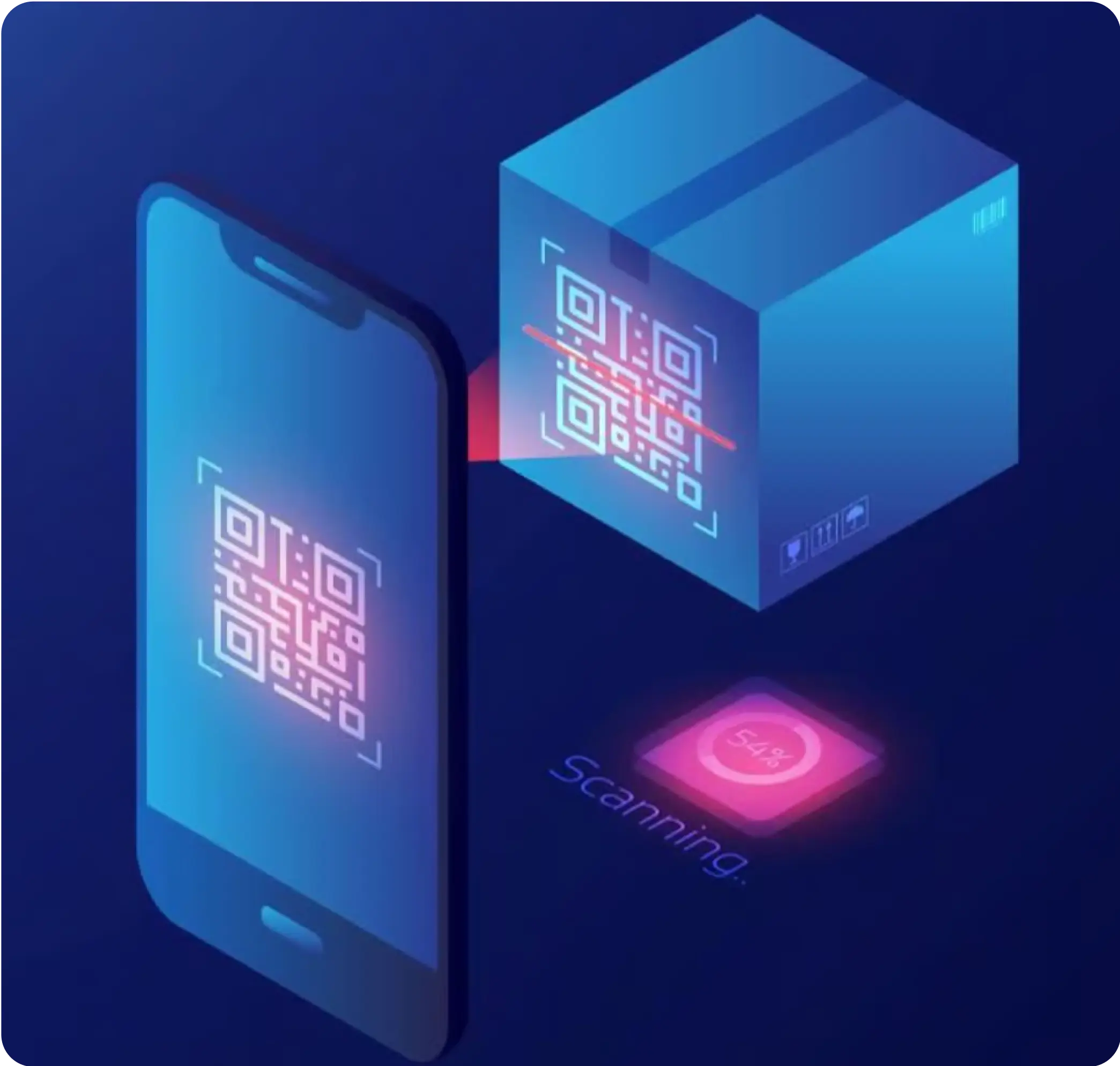
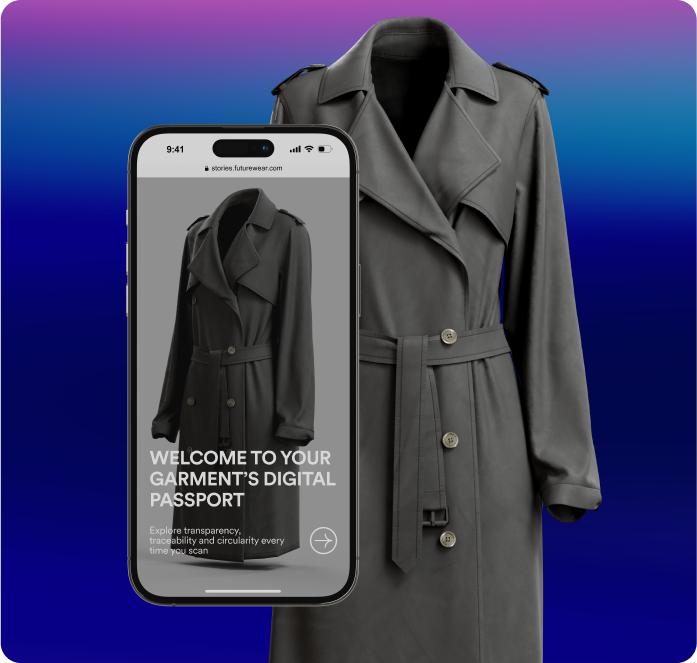
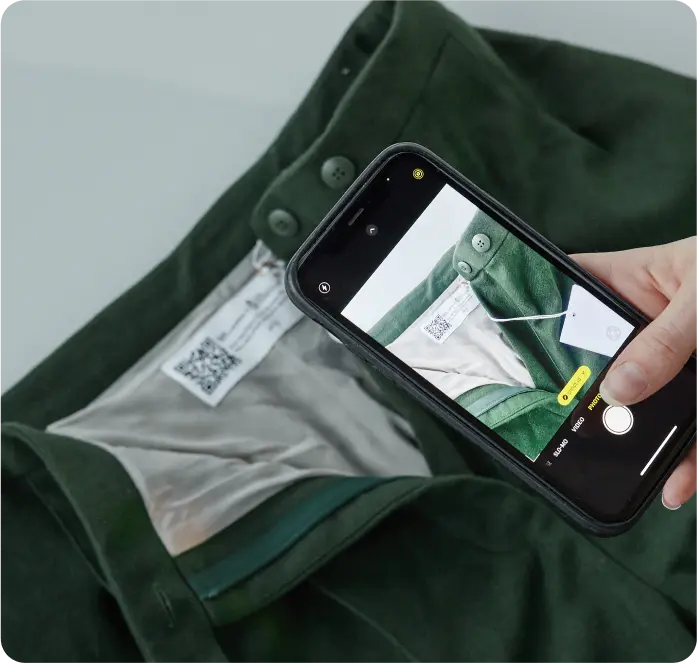
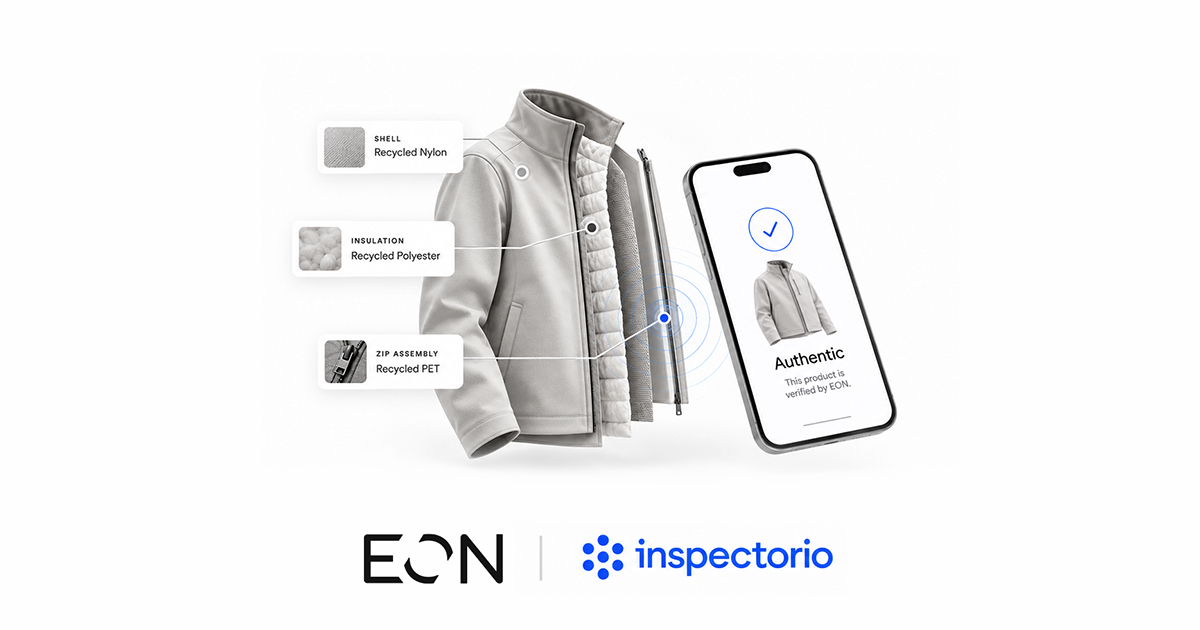
Companies like Nike, Coach and H&M are starting to use Digital ID technology to track their inventory and create new lines of business. Using data carries such as QR codes or NFC tags, retailers are able to unlock resale, recycling, rental and more to create more profitable and scalable solutions. With Digital ID, brands can more closely track their inventory, increasing the value of their products by creating efficient and automated revenue streams.
n order to enable a circular business model transformation, we need to turn physical products into traceable assets. We have been solving all barriers from the hardware—NFC tags and QR codes—to the tracking software, to the data compiling to enable brands to create on-product IDs that connects it to the company through its lifecycle.
NATASHA FRANCK — Founder + CEO, EON


.webp)

.webp)

.webp)