
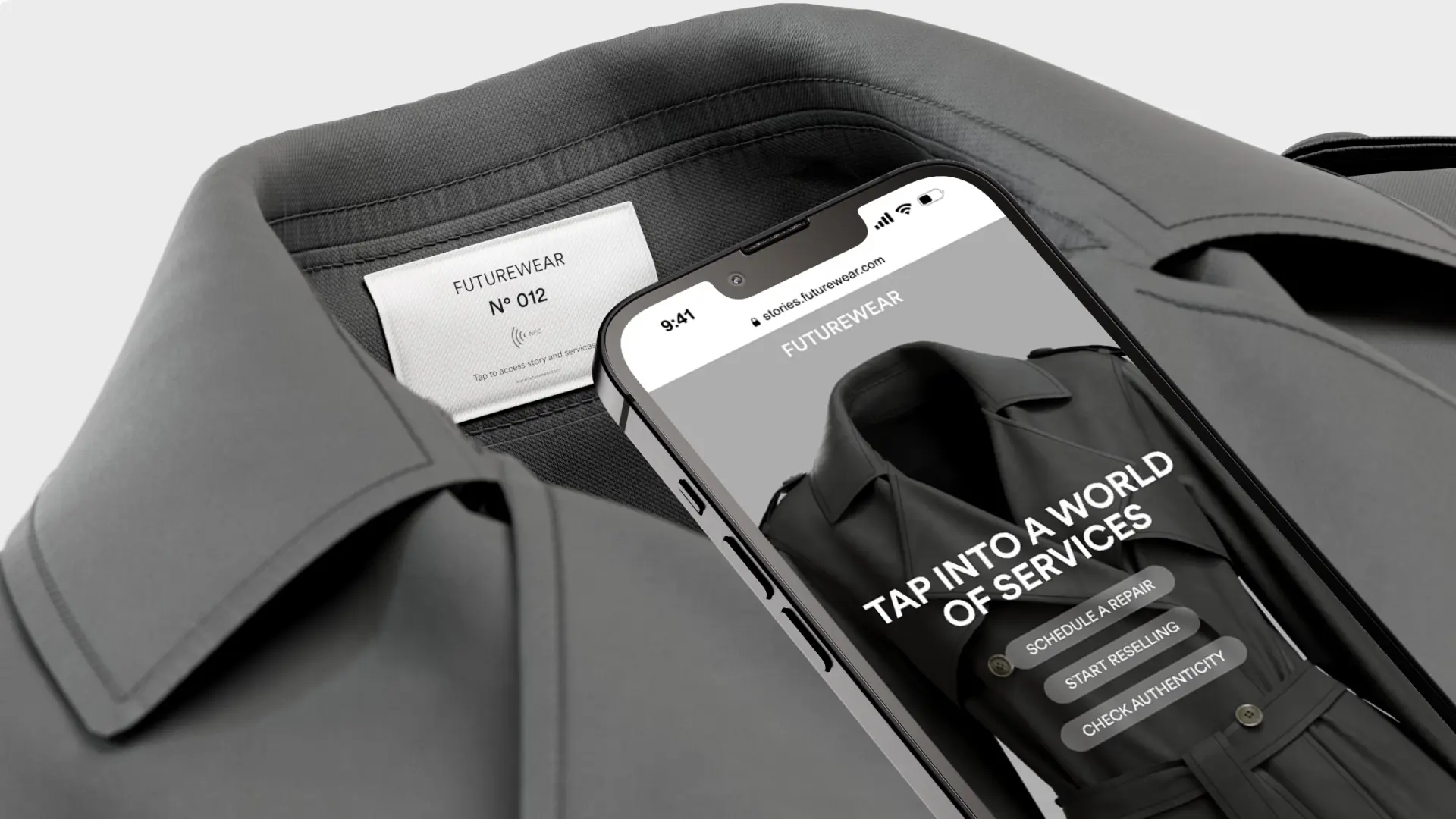
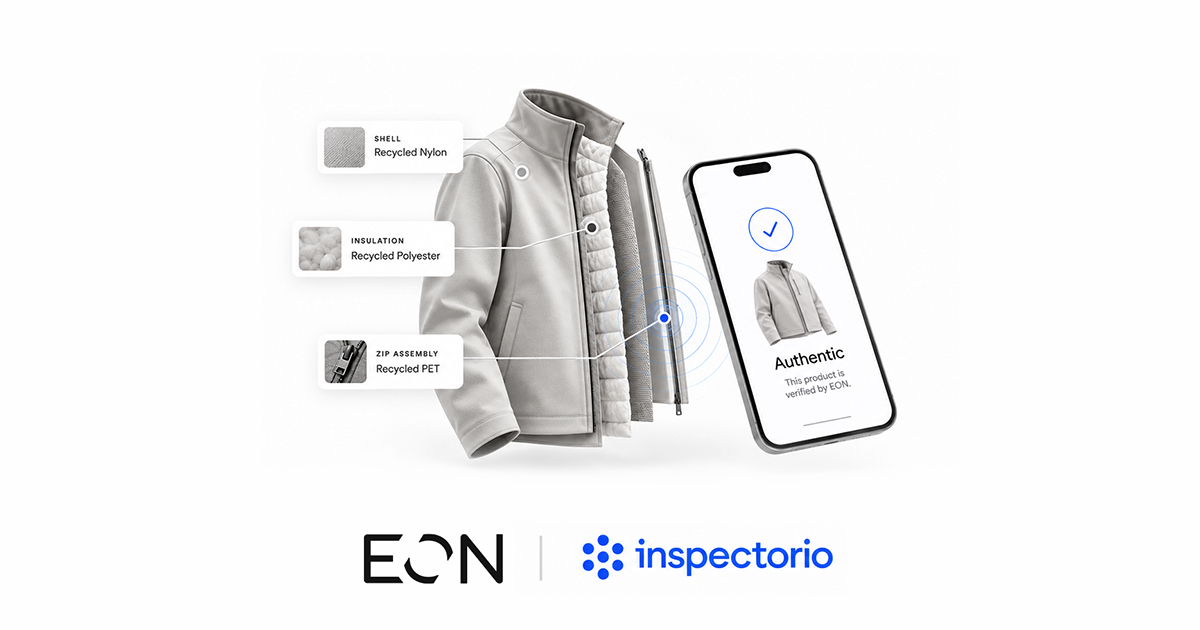
Over the past few years, fashion companies have been exploring the potential value of Digital IDs, viewing them as a way to let customers authenticate products, transfer ownership and access an array of services like resale and repair. The impending EU rules have accelerated those efforts and created a sense of urgency as brands start thinking about how to make sure they’re in compliance.
Given the scope of what brands are trying to do, the impending EU regulations aren’t so far off, even if the start date is ultimately pushed back, as some expect. Companies may need to make technology investments, rethink processes and get a large number of people trained and aligned on creating Digital IDs for all effected products. EON’s brand clients have a three-year roadmap for going from instituting Digital IDs on an initial collection of products to having their whole assortment covered.
The legislation that’s passing in Europe, I believe, is going to be a huge accelerator. But because many US businesses have either manufacturing or distribution in Europe, I believe it’s going to have a broader impact. It's happening - it's not sci-fi, it's now.
SARAH WILLERSDORF — Global Head of Luxury, Boston Consulting Group


.webp)

.webp)


.webp)