Traceability & Component Genealogy
Digitally woven, component by component.
EON unifies the full lineage of every product — from raw material to finished goods — down to the component level, so brands can prove compliance on demand: what something is made of, where it came from, and how it moves.
Components have origins. New regulations demand proof.
Material traceability solutions and supplier portals gather invaluable information. The next step is to make this data persistent, usable and accessible — so compliance and sustainability teams can move away from manual, reactive, stiching together of spreadsheets, supplier attestations and lab reports — to automated analysis, report and compliance with controlled broadcast to regulators, consumers and value chain stakeholders.
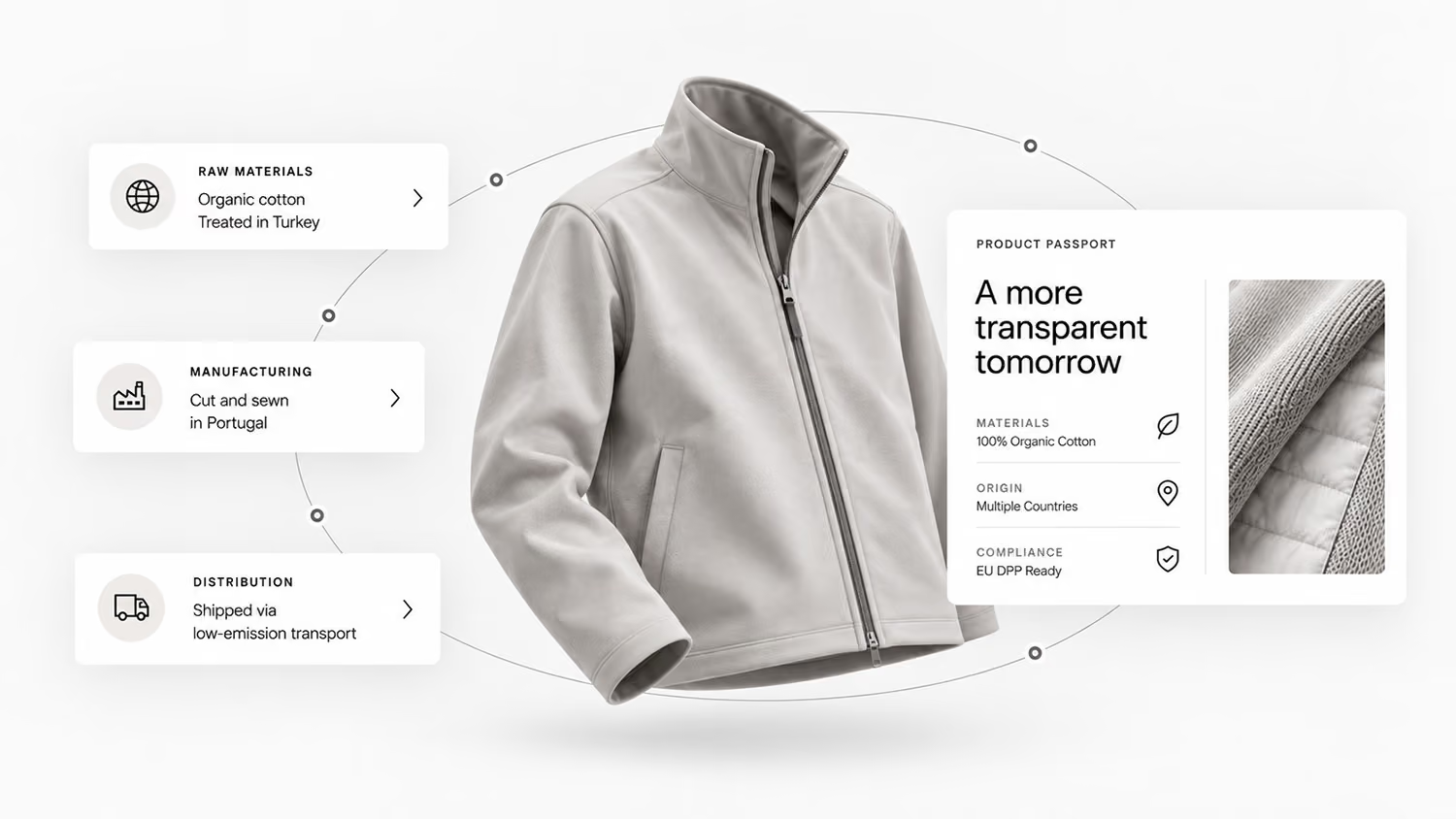
Every product has a component-level genealogy on the record.
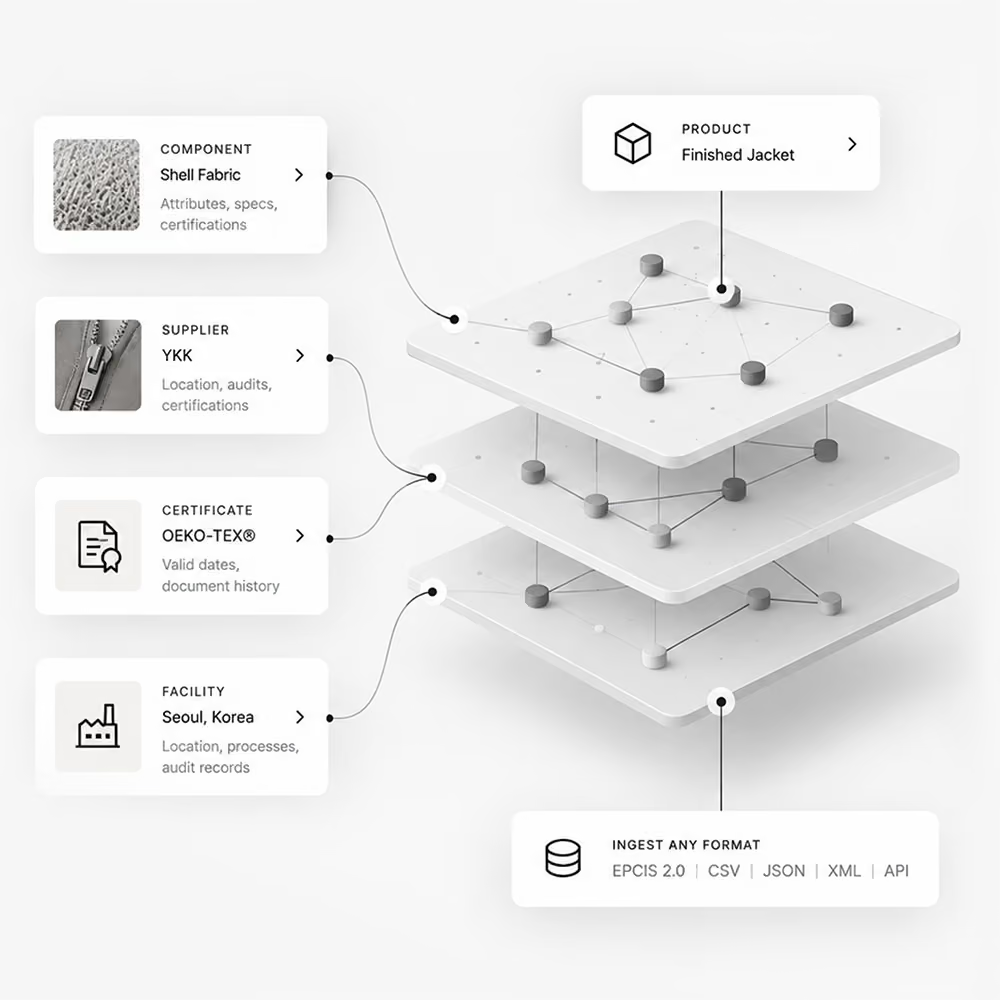
EON's foundation is simple: every material and component gets a persistent digital identity of its own — not just a line item, but a fully traceable record with its own complete audit trail. A jacket is not a jacket. It is a shell fabric, a lining, a fill, a zipper, a set of trims, thread, labeling, and hardware, each with a lineage of its own. EON orchestrates those individual identities into a knowledge graph that maps how every element relates to every other. That structure is what makes a claim defensible at the level a regulator, an auditor, or a customer will actually interrogate.
- Every component carries its own identity and independent audit trail
- A knowledge graph for each product — mapping how components relate
- Parent-child relationships across components and assemblies
- Genealogy survives supplier changes, facility changes, reformulations, and multi-tier sourcing
- Origin, supplier, and processing history at each node
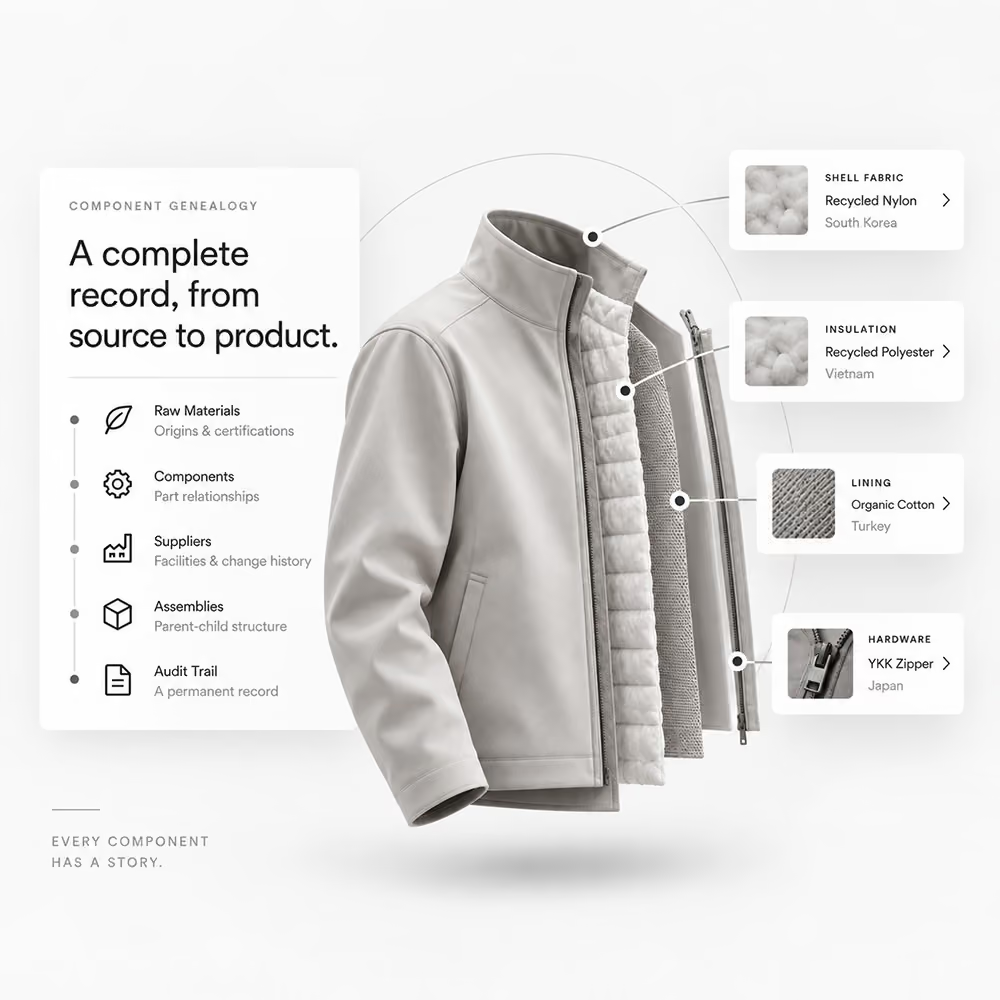
Unify everything: all sources, formats and standards.
Supply chain data doesn't arrive one way. Suppliers, factories, and partners each capture material and production events in the systems and formats they already use — EPCIS 2.0 among them, but never the only one. EON doesn't require the industry to standardize first; it takes data in as it exists and organizes it into one coherent, queryable knowledge graph. Transformation events are what make that genealogy hold: as inputs become outputs — spun, woven, dyed, cut, assembled — the lineage carries forward rather than resetting at each step.
- Ingests data in whatever format or schema a source already uses — no re-mapping required
- Supports EPCIS 2.0 natively for partners already using the GS1 standard, without requiring it of anyone else
- No rigid data model forced on brands or suppliers
- Transformation events recorded in sequence, with lineage preserved across every tier
- Purpose-built orchestration and transformation tools standardize data as it comes in
- Machine-readable audit trail via OCR, converting scattered PDFs into structured data
- Built-in validation catches gaps and inconsistencies before they reach the product record
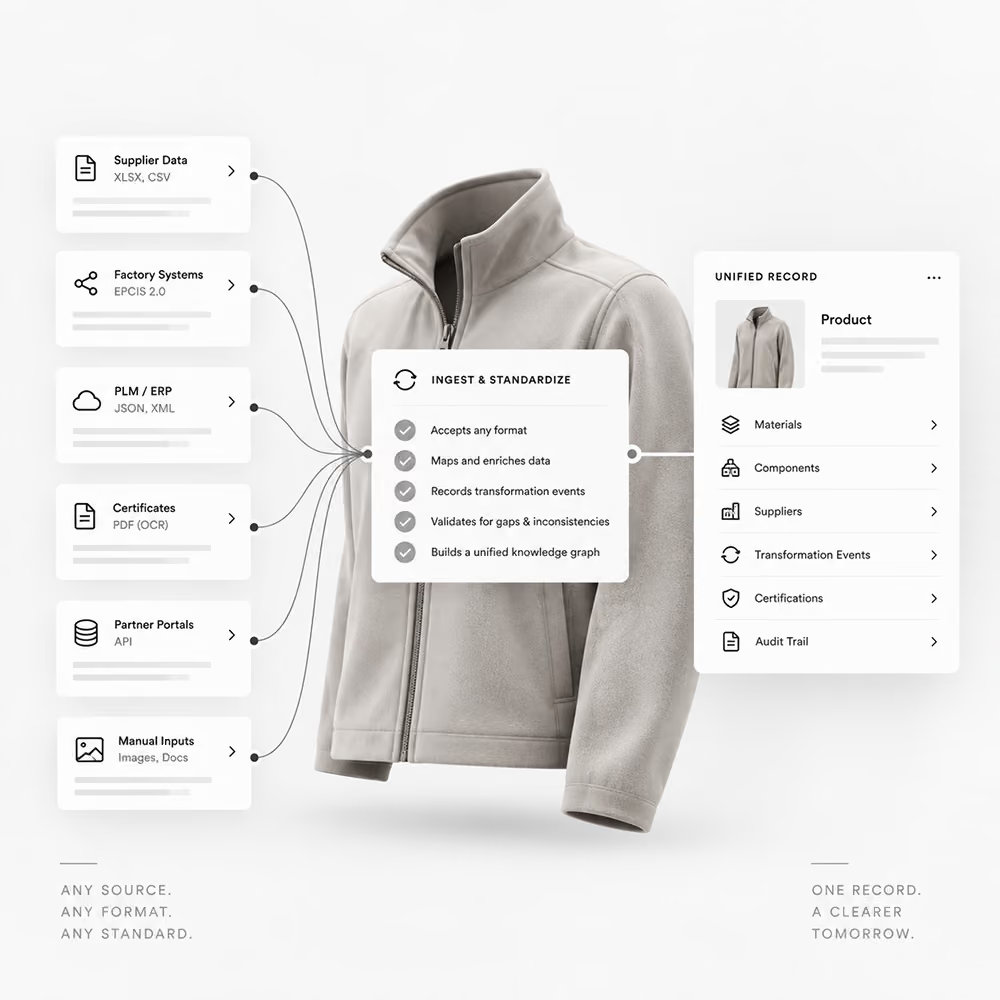
A schema-flexible knowledge graph, not a fixed template.
Traceability requirements differ by category, by market, and by regulation — and they change faster than any fixed data model can absorb. EON's backend is built as a schema-flexible knowledge graph: new attributes, new component types, new certification formats, and new regulatory fields are added without re-architecting the model or migrating what already exists. Relationships between objects — component to product, product to supplier, supplier to certificate, certificate to expiry — are stored as first-class data. That's what allows a question to be answered by traversing the record rather than reconciling it.
- Extend the ontology as requirements evolve, without breaking existing records
- Relationships stored natively, so lineage can be queried in either direction
- API-first ingestion, with event feeds, connectors, and structured file transfer landing in the same graph
- Discrepancies between expected and received data surfaced at ingestion, not at audit
- Granularity to the level your data supports — product, SKU, batch, or serialized unit
The industry's largest network of connected traceability partners.
Works with the systems brands already trust.
Brands don't have to choose between EON and the material traceability platforms, certification bodies, and factory systems they already rely on. EON connects to them directly — unifying what each partner already captures into one identity and one record, without asking brands to rebuild existing relationships.




Certifications that stay attached to components or facilities.
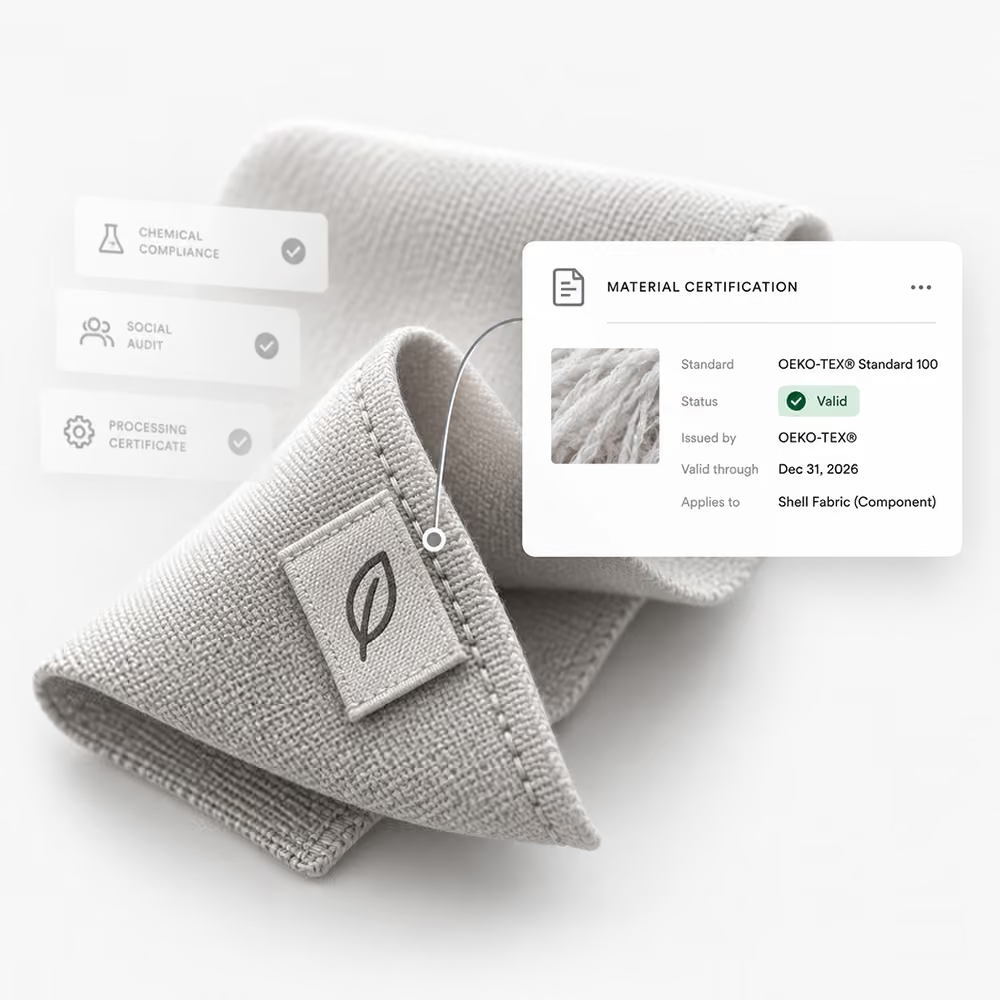
A certificate that sits in a folder proves nothing about the product in front of you. EON binds verified claims to the component record itself, sourced from the bodies and partners that issue them. Material claims, chemical compliance, social audit status, and processing certifications travel with the component through every transformation, so the finished product inherits a substantiated position rather than an asserted one. When a certificate lapses or a supplier's status changes, every product carrying that component is identifiable immediately.
- Claims sourced from issuing bodies and traceability partners, not self-declared
- Certification status attached at component level and inherited through assembly
- Expiry, scope, and validity tracked continuously against live product records
- Exposure identified instantly when a claim changes — by component, batch, or unit
Compliance at the speed of a query.
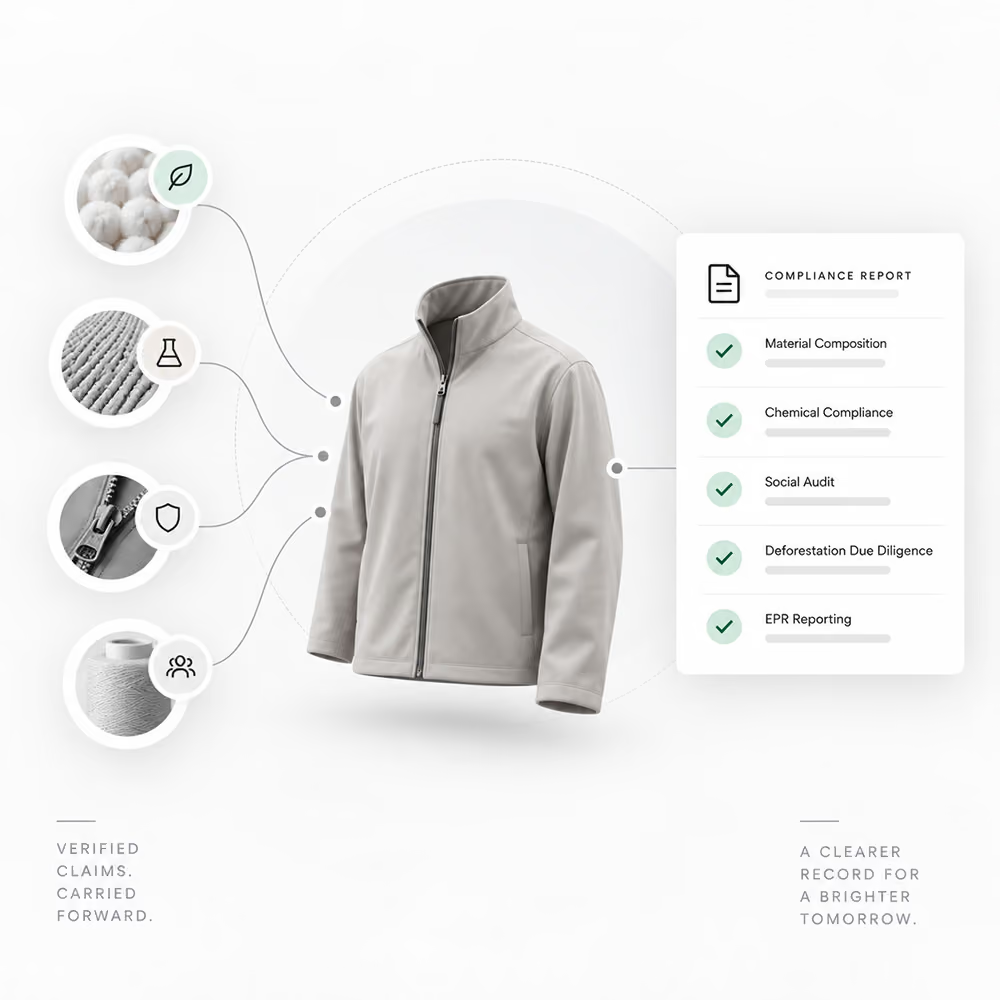
With every component's identity and audit trail already existing inside one unified record, compliance stops being a scramble. EON's backend queries the knowledge graph directly, turning that woven-together genealogy into the reports brands actually need — generated in minutes, not chased down for weeks. A record this provable doesn't just satisfy a regulator — it's the substance behind every material claim a brand makes publicly.
- Audit-ready reporting for evolving regulatory frameworks
- Component-level detail available instantly, not reconstructed under deadline
- One backend feeds every report, instead of rebuilding exports each time
- Query in either direction — from a finished unit back to origin, or from a flagged material forward to every product that contains it
Regulations supported by component genealogy.
The record you build for the regulator is the record everything else runs on.
Component-level genealogy is the most demanding data a brand will ever assemble, and the most reusable. The same record that satisfies an auditor authenticates a resale transaction, routes an end-of-life product to the right recovery stream, tells a customer what they're holding, and gives design and sourcing teams a factual basis for what to make next. Built once, it appreciates.
